The go-to partner for early childhood programs — 2-K and beyond.
20+ years running programs across child care and day care centers, family child care, Head Start, Early Head Start, CBOs, and private schools. From urgent 2-K launches to the everyday work of running a great program.

What brings you here today?
Opening a 2-K classroom this fall? Let's get it right.
Classroom setup, staffing, curriculum, and family onboarding — the four things that determine whether opening goes smoothly. And because children can't start until they turn two, enrollment keeps shifting into the winter. We support both.
Running a family child care program? The rules aren't the same. In an FCC setting an eligible child can start on the first day of school even before turning two — in a center they have to wait for the actual birthday. Small difference, big impact on your enrollment and your ratios.
Right now: classrooms are opening and new children are arriving on rolling start dates.
2-K is the urgent thing this fall — but it isn't the only thing. If you're running infant and toddler rooms, a 3-K classroom, or preschool and pre-K, that's the same work and I support all of it.
2-K Classroom Launch Toolkit
Checklists and worksheets for programs opening and running a 2-K classroom this year.
Get it on Gumroad →1:1 Launch Support Package
Direct, hands-on help with your classroom, staff, and families — before opening day and through the first weeks.
Book a call →Teachers deserve better than being thrown in.
Most teachers learn the hard parts on the fly, in the room, with children in front of them. It doesn't have to be that way. Training across the full age range, infants through pre-K, so every teacher walks in knowing what to do.
Teachers — this is for you too. You don't need your director to reach out first. If you want support in your classroom, get in touch directly.

Supporting 2-Year-Olds in the Classroom
Routines, regulation, safety, and what actually works day-to-day with toddlers.
Book a call →Bilingual Classroom Support Training
Practical strategies for bilingual staff supporting dual-language toddlers and families.
Book a call →Preschool & Pre-K Classrooms (3s and 4s)
Curriculum, routines, behavior guidance, and kindergarten readiness for three- and four-year-old classrooms.
Book a call →Infant & Toddler Care
Safe sleep, feeding, primary caregiving, and responsive care for the youngest children in your program.
Book a call →Special Needs & Inclusion Readiness
Preparing staff to confidently support children with IEPs and developmental delays.
Book a call →Running a child care program — or one out of your home?
Centers, day care programs, and family child care providers do the same essential work, under different rulebooks — and often with no compliance person, no trainer, and no one to call. That's the gap I fill.

Know which rules apply to you
Registered or licensed, home-based or center, Article 47 on top — we sort out exactly what governs your program and what you need on file.
Inspection readiness
OCFS and DOHMH visits are unannounced, and results are public. We get your records, ratios or capacity, and postings in order before someone walks in.
Book a call →Training hours for you and your staff
Training requirements apply to home-based providers and every staff member. Supporting two-year-olds, bilingual classrooms, and inclusion — built for small programs, not just big centers.
Book a call →Thinking about offering 2-K?
Home-based providers can offer 2-K by affiliating with a Family Child Care Network; centers go the NYCEEC route. We'll talk through whether it's right for your program and what it takes.
Book a call →For programs that want an ongoing arc.
Structured, multi-session support — plus the family and community engagement that makes a program actually succeed.
New Teacher Launch Program
A structured onboarding arc — from first week through the first 90 days.
Book a call →Director Coaching Program
Monthly coaching — a standing thought partner, not a one-time call.
Book a call →Family & Community Engagement
Real involvement strategies and community partnerships — success reaches beyond the classroom.
Book a call →Building this alongside others.
Open to partnerships with universities, CBOs, and organizations — and always looking for experienced trainers to join us.
🤝 Partner with Colink Venture
Subcontracting, co-delivered training, or joint proposals.
Start the conversation →✎ Join the team
Bilingual trainers, classroom coaches, inclusion specialists. All candidates go through a thorough background check, consistent with DOE and DOH regulations.
Email your résumé →About Me
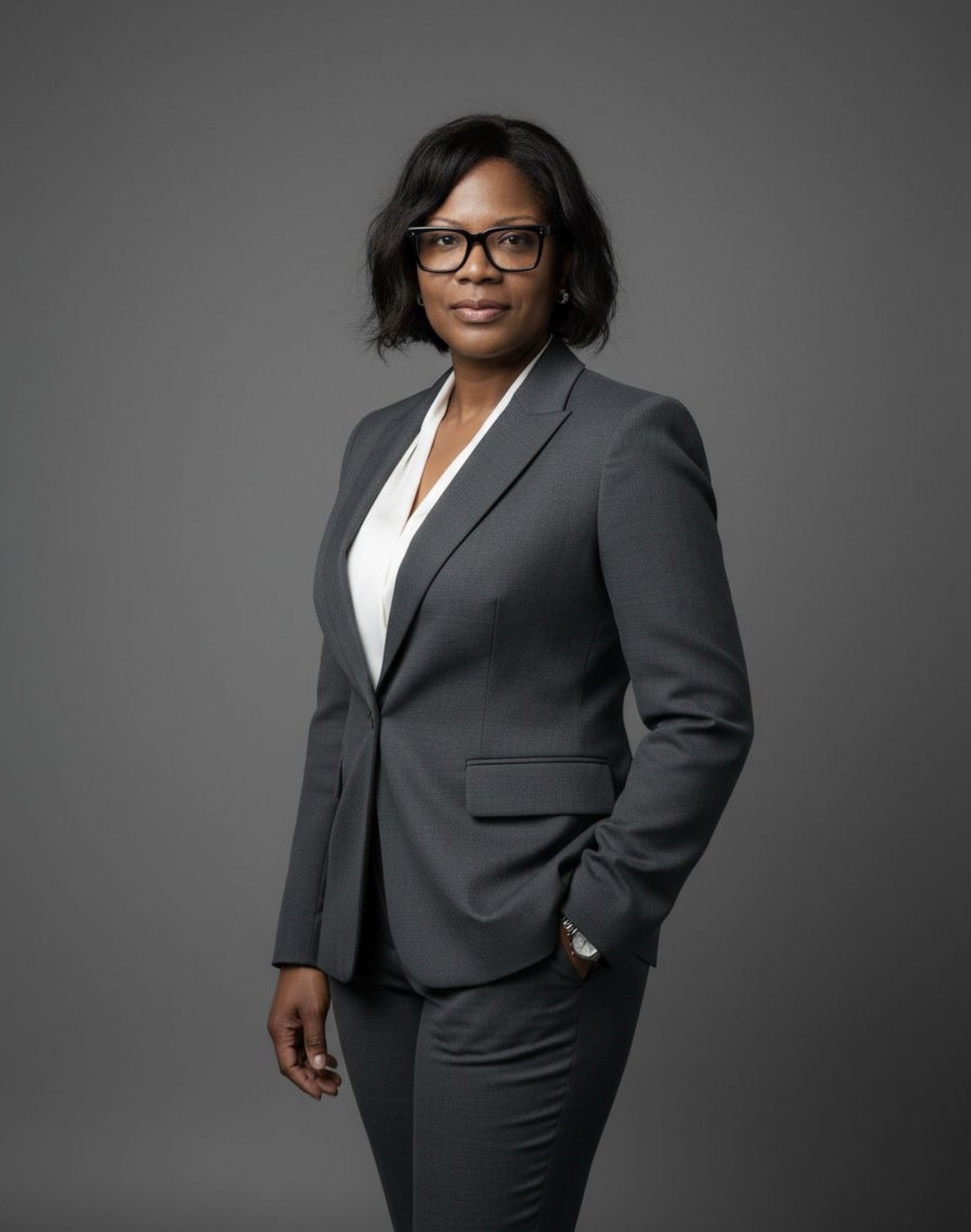
Over 20 years in early childhood education — from assistant teacher to lead teacher to education director, across private schools, Head Start, Early Head Start, and CBOs. I've lived the parts of running a program nobody teaches you in the classroom, and every program's challenges are different. I started Colink Venture | Early Childhood Programs so directors don't have to piece it together alone the way I did — built for directors, by a director.
Not sure what you need?
Book a free 30-minute call and we'll figure out the right starting point together.
Book your free callIs your program inspection-ready?
An inspector can walk in on any given day. Here's what a well-run program has in place before that happens — DOH, OCFS, and the requirements that catch people out. Open any section.
Which rules actually apply to you? +
This trips people up constantly — New York regulates by setting, not by one universal rulebook. Find yours:
- Family child care (home, up to 6 children): registered with OCFS under Part 417.
- Group family child care (home, 7–12 with an approved assistant): registered under Part 416.
- Small day care center (non-residential, 3–6 children): registered under Part 418-2.
- Day care center (non-residential, 7+ children): licensed under Part 418-1.
- Anywhere in the five boroughs: a NYC DOHMH Article 47 permit sits on top of the OCFS license or registration.
- Head Start / Early Head Start: federal Head Start Program Performance Standards apply in addition to state and city rules.
- Serving 2-K or 3-K seats: NYCPS contract requirements apply too — as a NYCEEC, or through a Family Child Care Network if you're home-based.
The big one people miss: centers work on staff-to-child ratios and maximum group sizes. Home-based programs work on a capacity model instead — total children allowed, counting your own children under a certain age — with a separate rule of one caregiver for every two children under age two. They are not the same system, and applying center ratios to a home program (or the reverse) is a fast way to end up out of compliance.
What's the same across all of them: background clearances for every adult, training hour requirements, health and safety standards, and mandated reporter obligations.
Worth knowing: New York has been actively reviewing its statewide ratio rules, so confirm current requirements rather than relying on what was true a year ago.
DOH & OCFS requirements checklist +
Center ratios and group size (day care centers — home-based programs use a capacity model instead, see the section above):
- Under 6 weeks: 1:3, maximum group of 6.
- Infants (6 weeks–18 months): 1:4, maximum group of 8.
- Toddlers (18–36 months): 1:5, maximum group of 12 (state). NYC defines toddlers more tightly — 12–24 months at 1:5, max group of 10 — and for two-year-olds under Article 47 generally 1:6, max group of 12.
- Three-year-olds: 1:7, maximum group of 18.
- Four-year-olds: 1:8, maximum group of 21.
- Five-year-olds: 1:9, maximum group of 24.
- NYC runs tighter in places. Reported NYC maximums for 2-K and 3-K settings are smaller than the state figures above — around 15 for three-year-olds and 18 for four-year-olds. Always check your own Article 47 permit rather than assuming the state table applies to you.
- Mixed-age groups: you use the ratio for the youngest child in the room — one toddler in a preschool room pulls the whole group down to the toddler ratio. This catches programs out constantly, and it matters most in home-based and mixed-age settings.
- Home-based programs: don't use this table at all — see "Which rules actually apply to you?" above.
Also required:
- Current permit/license issued and posted, with approved capacity and ages matching what you actually operate
- Health screening and immunization records current for every child
- Written safety and emergency plan, with evacuation diagram posted
- Sanitation and safe-sleep practices documented
- Nutrition requirements met (check CACFP eligibility)
- Most recent inspection results posted where families can see them
Staffing & qualifications +
Background clearance — required for every adult, before any contact with children:
- State Central Register (SCR) clearance
- DCJS and FBI fingerprint checks
- NYC Staff Exclusion List (SEL)
- Submitted through the DOHMH Central Clearance Unit
Training:
- 15-hour health and safety course before licensing
- 15 hours of training within the first 6 months of employment
- 30 hours every 2 years, with a minimum of 5 hours each year
- Mandated Reporter training for all staff
- Pediatric and adult CPR/First Aid — certified staff on site during all hours
- Medication Administration Training if your program gives any medication
Who can lead a classroom:
- A group teacher is generally 19 or older with an associate degree in early childhood education or a CDA credential; an assistant teacher is 19 or older with a high school diploma plus 60 college credits or a CDA.
- Assistant teachers and aides can cover for a group teacher for up to five days to maintain ratio — with at least one assistant teacher in the classroom. Useful for planned leave; not a substitute for hiring.
The planning trap most 2-K programs miss: a teacher with infant/toddler qualifications can lead a room of children who started younger than three — but once a child turns three, they must be in a group led by a preschool-qualified teacher. With rolling 2-K starts running to December, some of your twos will turn three mid-year. Manage enrollment and teacher qualifications together, or you'll be out of compliance without anyone doing anything wrong.
Common violations — and how to fix them +
- Ratios slipping at open, nap, or end of the day. Fix the schedule at the edges of the day, not the middle — that's where citations happen.
- Incomplete staff files. Usually a missing clearance or expired certification. Audit files quarterly, not annually.
- Training hours behind. The 5-hour annual minimum is missed more often than the 30-hour total. Track per person, per year.
- Child health records out of date. Build a renewal reminder into your enrollment process.
- Drills not documented. The drill happened; the log didn't. Log it the same day.
- Medication logged incorrectly. Use the official OCFS form and train whoever administers.
- A child ages up mid-year and the room no longer qualifies. Twos turn three, and the teacher's qualifications or the group size no longer fit. Check ages against your rooms every term, not just at enrollment.
Forms you need — and where to get them +
Your program's own documents (you write and customize these):
- Enrollment and intake, emergency contacts, authorized pick-up
- Parent handbook, family communication, behavior guidance policy
- Staff handbook and acknowledgments, schedules, training logs
- Incident and illness report formats
Official government forms — always get the current version from the agency:
- Child health exam and immunizations (CH-205), via the NYC Online Registry
- Staff background clearance forms, via DOHMH Central Clearance
- Medication administration and individual health care plans, via OCFS
A substitute or recreated copy of an official form can be rejected. Links to the real ones are on the Resources page.
Compliance calendar +
- Daily: attendance and sign-in/out, health checks on arrival, ratios maintained, sanitation routines.
- Weekly: first-aid and supply check, lesson plans, deeper cleaning.
- Monthly: fire/evacuation drill documented, safety walk-through, training progress checked, incident logs reviewed.
- Quarterly: emergency plan reviewed, self-audit, staff and child files spot-checked, meal records reviewed.
- Annually: license and insurance renewals, health documentation updated, policies and handbook refreshed, training hours reconciled.
- Every hire: clearances complete before contact with children, orientation done, 15 hours scheduled within 6 months.
Inspection coming — or one that didn't go well?
A compliance review gets you a clear picture of where you stand and what to fix first, from someone who has been on both sides of the clipboard.
Book a free callGeneral guidance only — not legal or regulatory advice. Requirements vary by program type and change over time. Always verify current rules with NYC DOHMH and NYS OCFS. Last reviewed: August 2026.
Not ready to buy anything? Start here.
Practical checklists to support the work you're already doing. Free to download and use in your program.
The Opening Day Checklist
A one-page rundown of what needs to be true before any classroom opens.
2-K Classroom Readiness Checklist
The six areas that decide whether opening goes smoothly — room, health & safety, staffing, curriculum, families, operations. Reusable each time a new child starts.
Compliance Readiness Checklist
What a well-run program has in place before an inspector walks in.
Early Childhood Compliance Calendar
A daily-through-yearly rhythm so nothing lapses between inspections.
Want the full compliance picture?
Ratios, staff qualifications, the violations that catch programs out, and a year-round compliance calendar — all in the Compliance Quick-Start.
Official forms — where to get them.
These are the real government forms. Always use the current official version from the agency — a substitute copy can be rejected.
Colink Venture Shop
Toolkits and worksheets for early childhood programs — new resources added regularly.
Visit the shop →Join the NYC Directors Network
A private space for NYC early childhood directors — peer support and guidance from people who do this work every day. Opening this fall — add your email and you'll be first to know.